Hollow Man
Paul Verhoeven Hollow Man
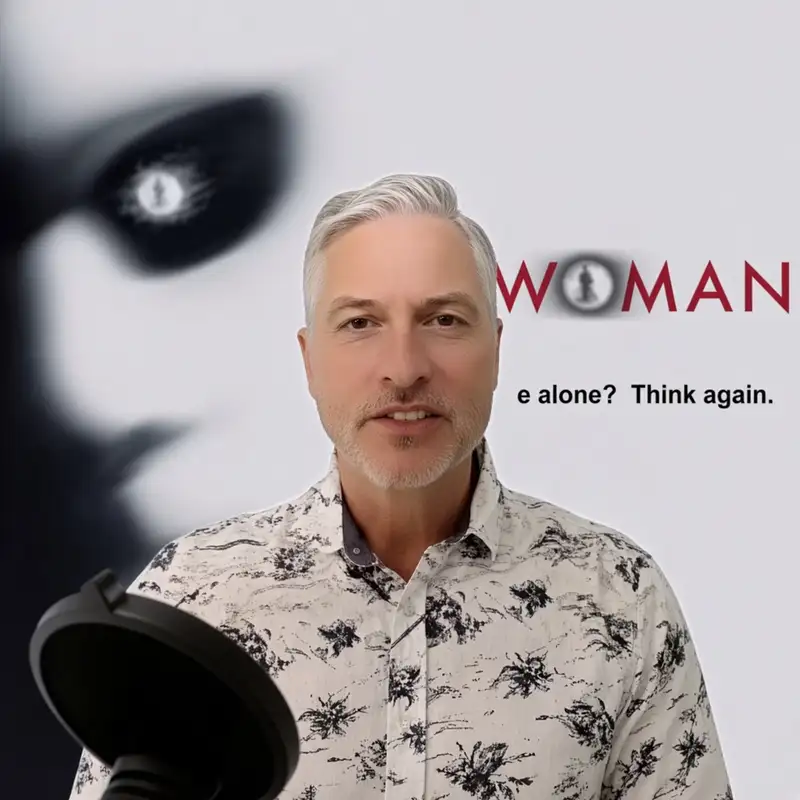
The Director’s Chair covers Paul Verhoeven’s Hollow Man, the 2000 studio project that made him quit Hollywood.
Written by Gary Scott Thompson and Andrew W. Marlowe, produced by Douglas Wick and Alan Marshall, and scored by Jerry Goldsmith, the film had a $95 million budget and grossed roughly $190 million. Kevin Bacon stars as scientist Sebastian Caine, who develops an invisibility serum for the military and becomes a monster. Verhoeven recognized Plato’s Ring of Gyges in the script. He had been working on a Houdini biopic and a Jesus project that Sony would not fund; he took Hollow Man to keep his team employed and has regretted it since. Elizabeth Shue tore her Achilles early, ballooning the schedule. The invisibility effects required dual shoots, green body paint, and thermal imagery; they were Oscar-nominated. Josh Brolin clashed with Verhoeven on set. The theatrical cut softens the neighbor assault after test audiences found it too early; the director’s cut keeps it. Studio limits on the IP and the inability to take the story outside the lab left Verhoeven feeling like a director-for-hire. Hollow Man was his last American film.
0:00 Hollow Man overview, Plato and the Ring of Gyges
8:00 Houdini and Jesus projects rejected, Hollow Man accepted
16:00 Elizabeth Shue injury, schedule balloon
22:00 Invisibility effects, Oscar nomination
28:00 Josh Brolin on set
34:00 Director’s cut vs. theatrical, the assault scene
42:00 Why Verhoeven quit Hollywood
48:00 Film walkthrough begins
CREDITS
Film: Hollow Man (2000), directed by Paul Verhoeven
Series: Director’s Chair